Dismantling of the Alfa Romeo 159 1.9 jtd turbocharger

AvtoAd
29/01/2022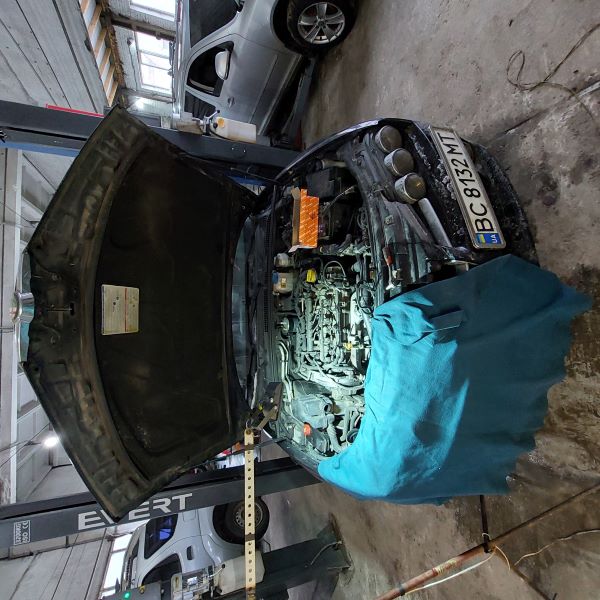
Turbocharger is a technically complex mechanism. Special knowledge and skills are required for its dismantling and restoration. Therefore, repairing the unit with your own hands may make the problem worse. Therefore, we advise you to contact the service station.
There are many signs that a turbocharger is malfunctioning:
- oil leak from the turbocharger and connecting pipes;
- deterioration of dynamics during acceleration;
- increased oil consumption;
- weakening of engine power;
- emission of black or white smoke from the exhaust;
- whistling and squeaking during turbine operation.
Consider the situation with increased oil loss and the characteristic formation during the operation of the turbocharger.
How to dismantle a turbocharger on the example of Alfa Romeo 159 1.9 jtd 2007 release.
Turbocharger in these cars with variable geometry.

Let's start with dismantling. To get to the turbocharger itself, you need to remove some of the equipment in front of the body. First we take the intercooler.

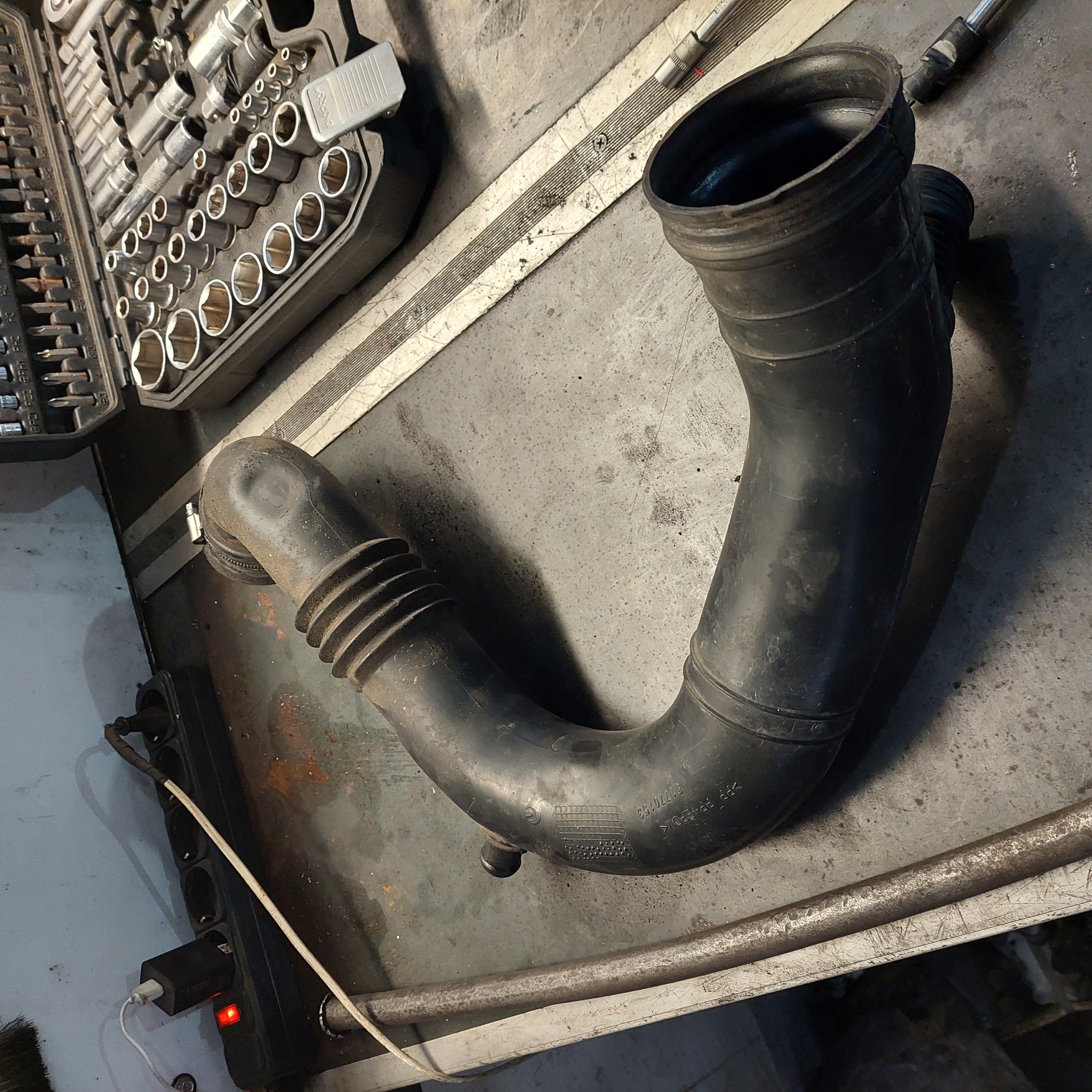
We get a branch pipe from the air filter to the turbocharger:
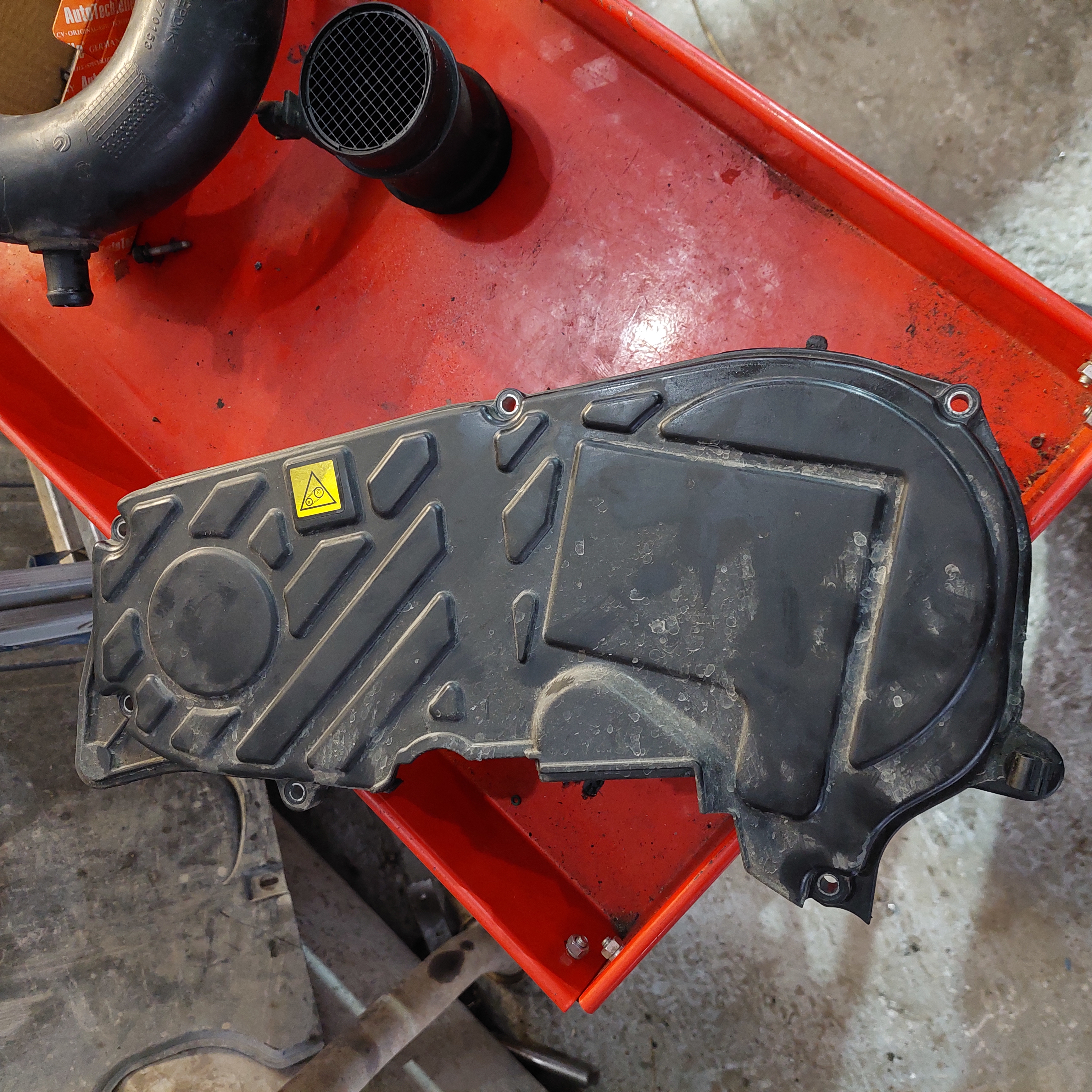
Plastic protection of a belt of the gas-distributing mechanism:
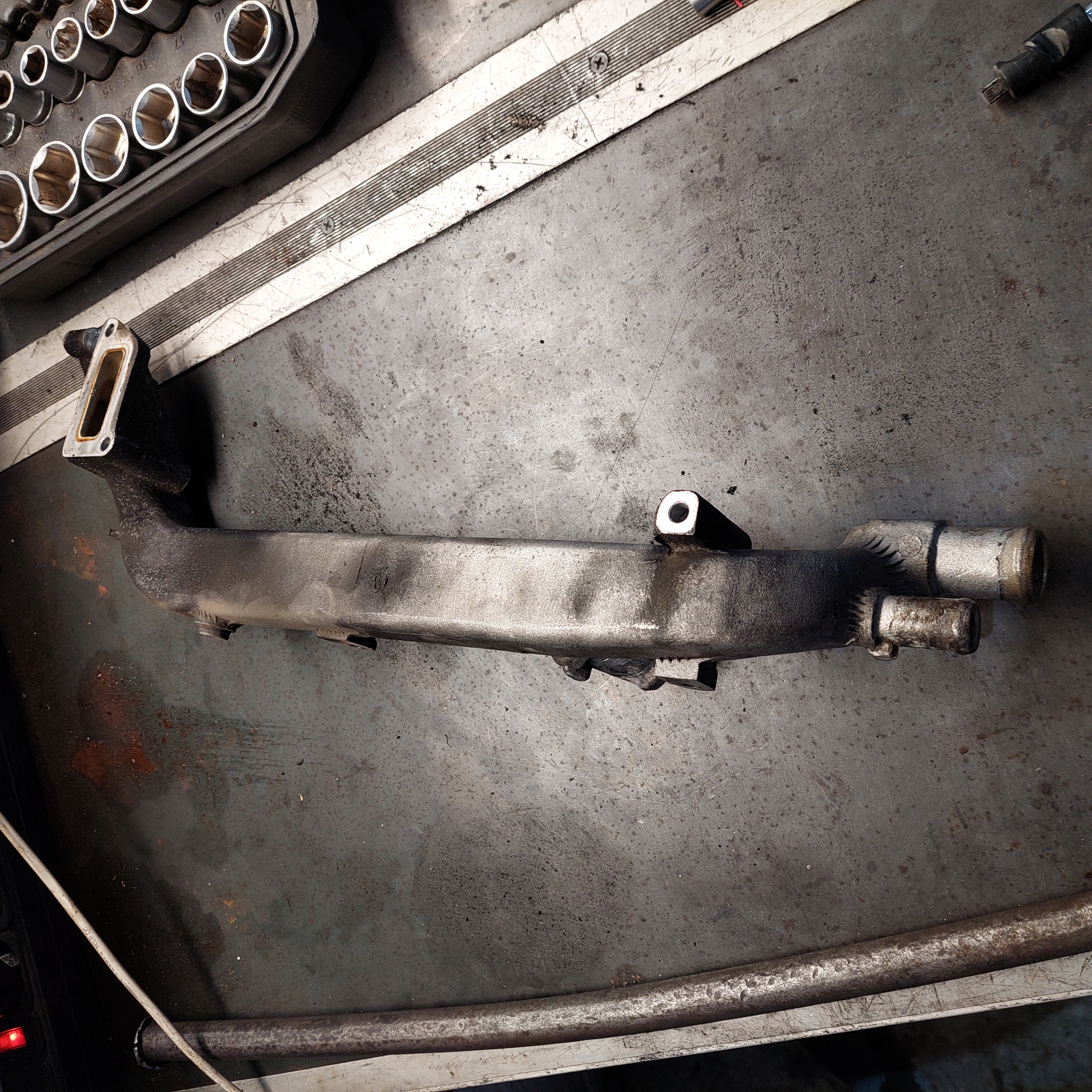
Coolant splitter tee:
Unscrew the thermal protection:
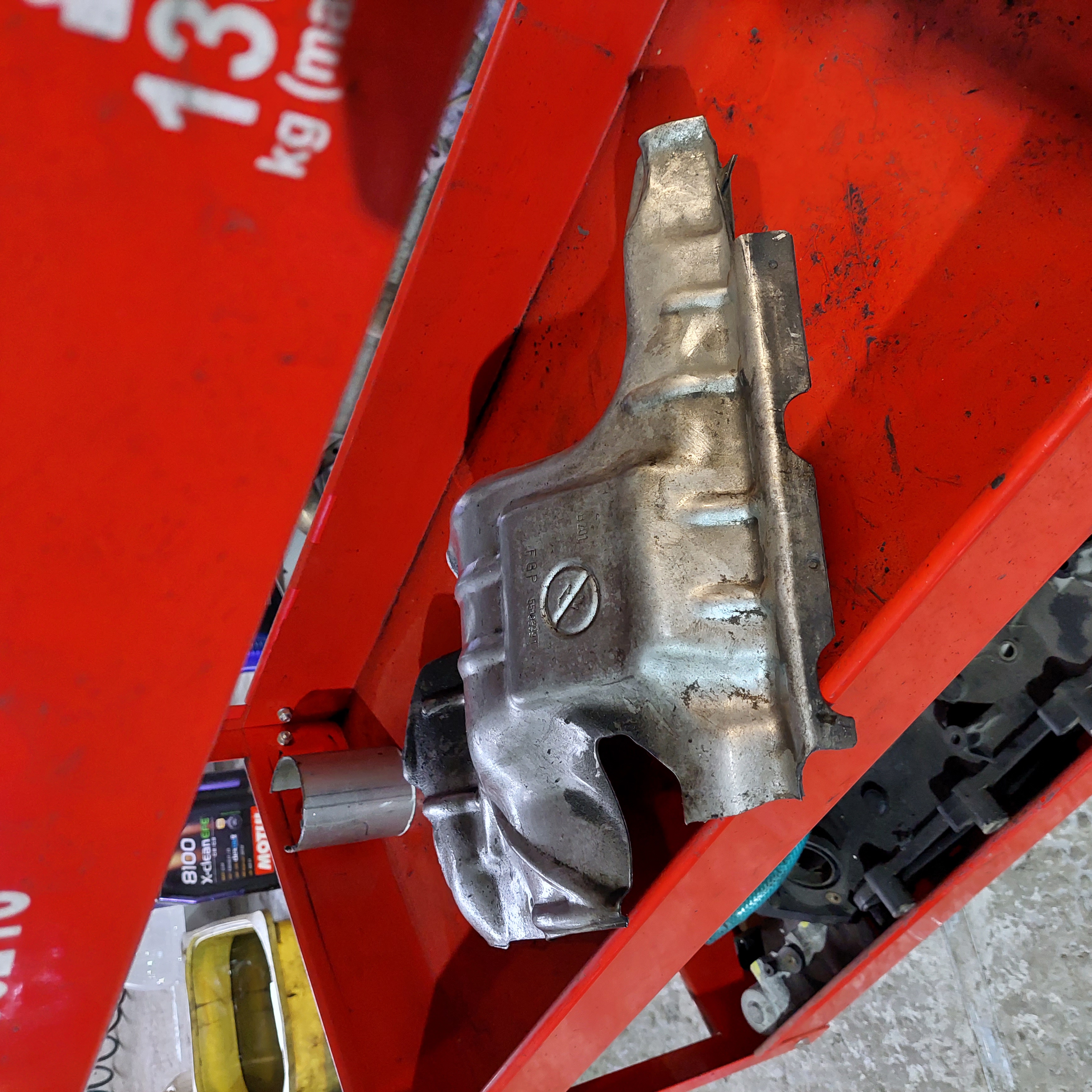
Then we get access to the turbocharger.
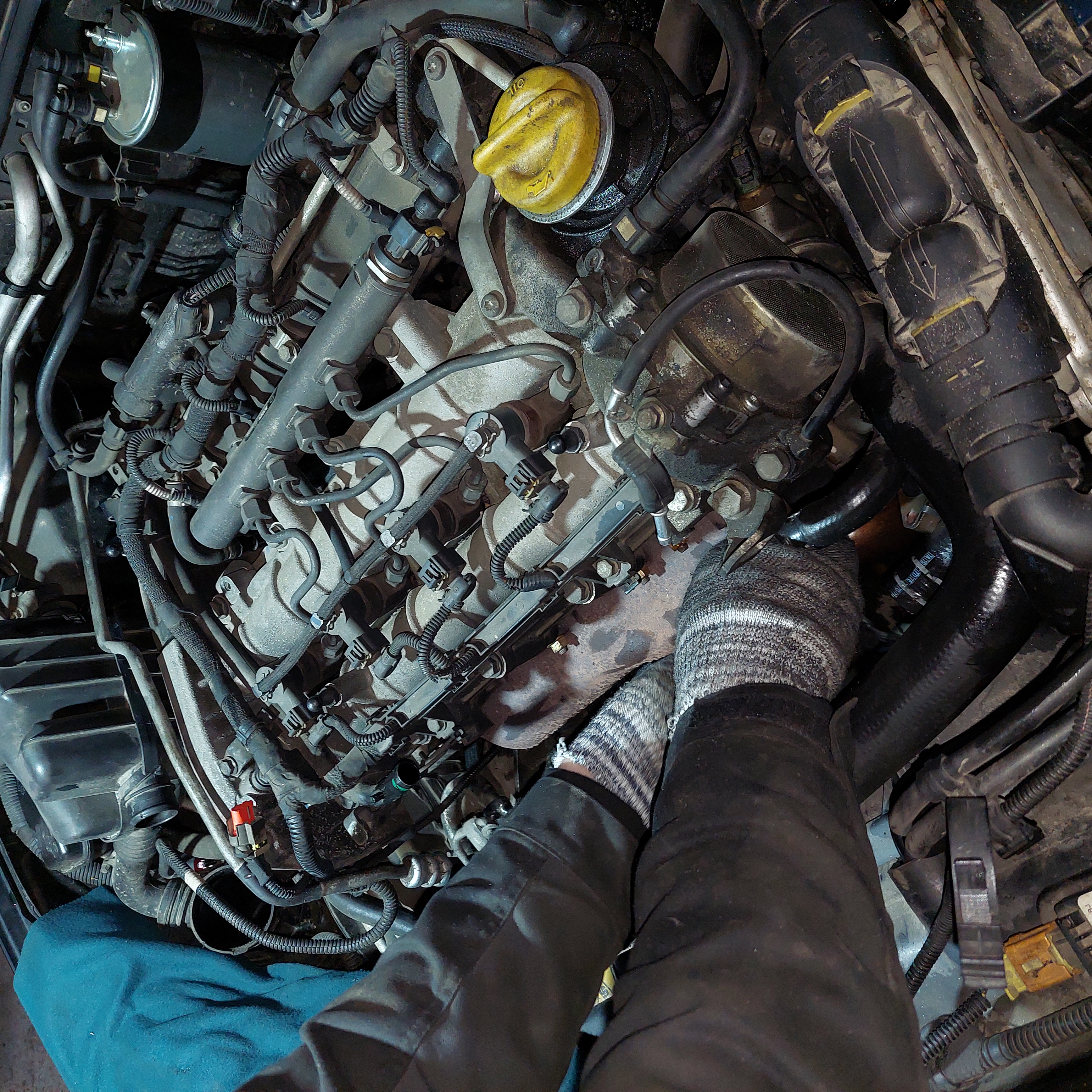
Remove it as follows: unscrew the oil supply pipe, the oil drain pipe and the air outlet cup from the turbocharger. Also disconnect a vacuum hose on an accruator, "take away" a collar of an exhaust pipe and we unscrew 8 nuts of an exhaust collector which is a part of the turbocharger.
A visual inspection of the turbocharger showed that the mechanism works smoothly:
- no characteristic creaking;
- the gap between the body and the impeller is normal;
- the shaft does not wedge during rotation;
- housing without cracks;
But there is a remark - the oil from the impellers of the cold and hot parts leaks.
Therefore, the turbocharger needs professional diagnostics. That's why we send him to a restoration workshop. Learn more about the restoration here .
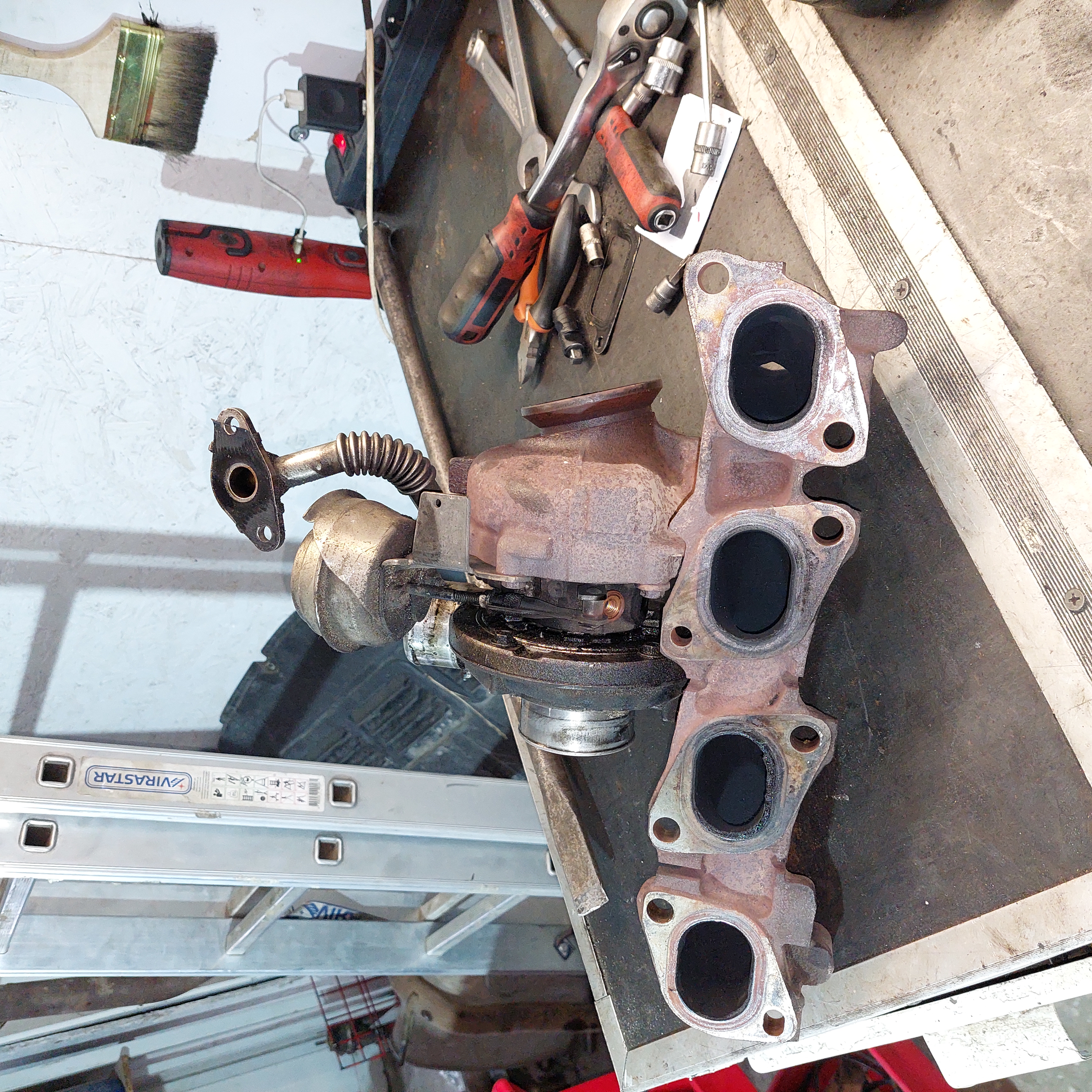
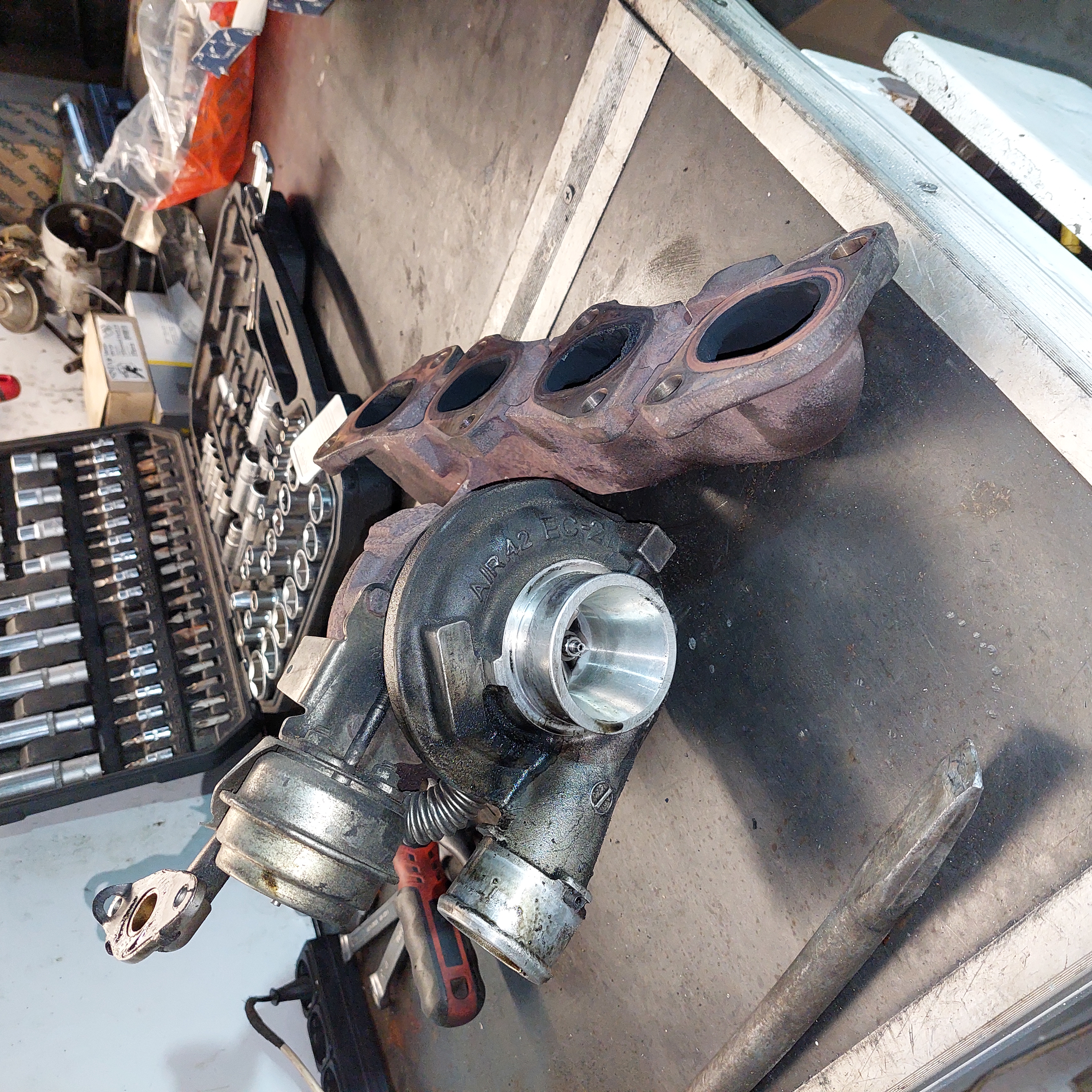
Subsequently, we return the status of a full-fledged component of the car to the already restored turbocharger. Install it in the reverse order of disassembly.
Note: Sealants and liquid sealants should not be used when working with the turbocharger, as they reduce the cross-section of the holes or, in the worst case, block the oil supply. This can cause serious damage to the turbocharger.
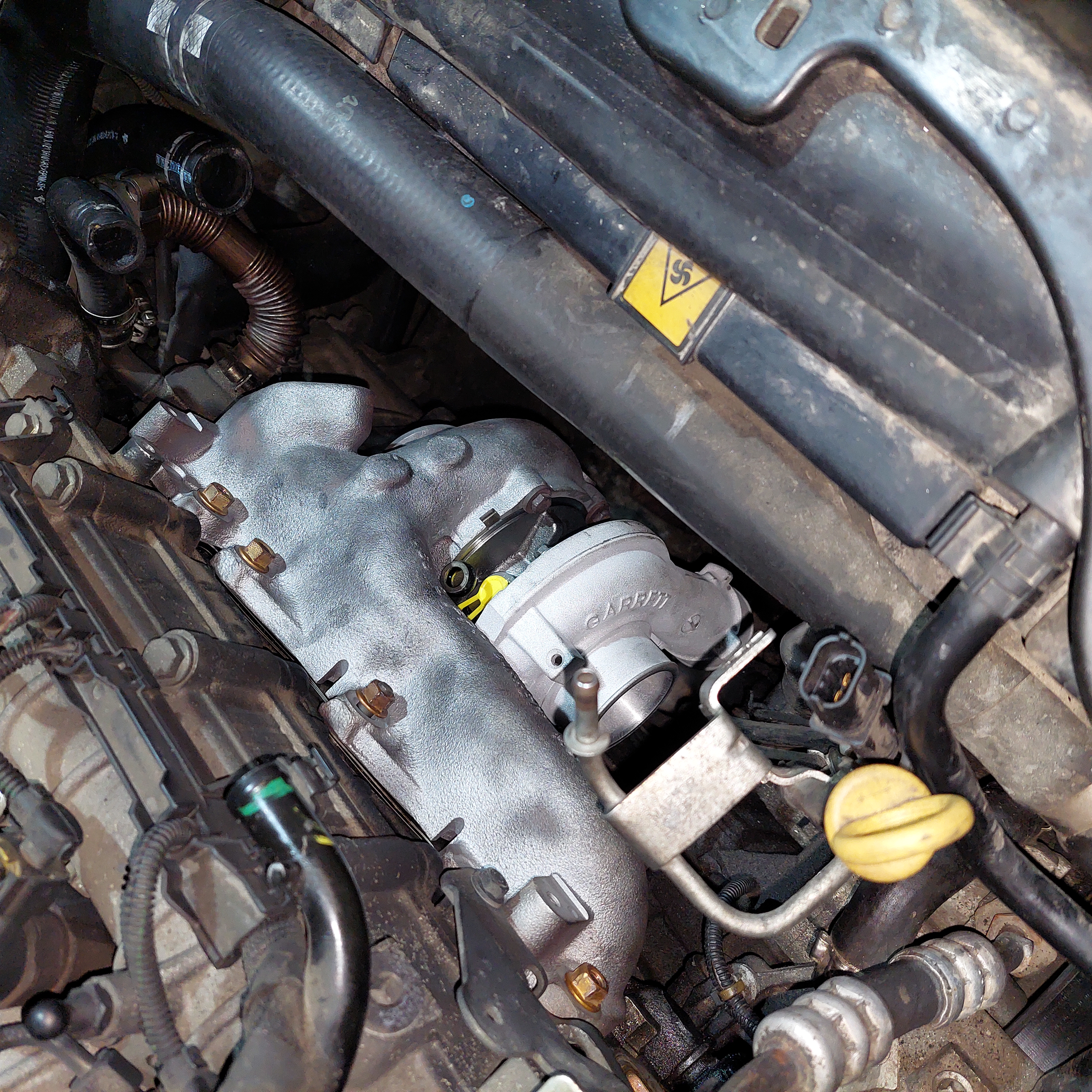
In conclusion, we have a remark: after installing the restored turbocharger, the oil must be changed. This is an important component that ensures the longevity of the turbine.