What is the Start/Stop system

AvtoAd
04/04/2023
Bought a new car, first trip and first stop at a traffic light. Emotions overflow, such an impression that every passer-by watches you with approving glances. And suddenly the engine of the car stopped. All thoughts turned to the car, broken, defective? Or refueled, forgot the immobilizer tag.... It is possible that such thoughts occur to a person who first met the Start/Stop system.
So, what kind of system is this, let's try to figure it out in this article.
Start/Stop system in simple words
Is my car equipped with such a system?
When Start/Stop can automatically turn off
First application of Start/Stop
Main components and functions of the Start/Stop system
Start/Stop system in simple words
If you describe in simple words what the Start/Stop system is, then it is used in cars to reduce emissions of harmful substances and save fuel, and is one of the most common technologies to achieve environmental standards. It allows you to automatically turn off the engine when the car is stationary, for example, at a traffic light, or in traffic jams, and start it again when the driver presses the clutch pedal, gas pedal, or releases the brake pedal to move on. The basic idea is that a car engine uses a lot of fuel when it is sitting still and running at no load. Therefore, the Start/Stop system allows you to reduce fuel consumption and CO2 emissions by switching off the engine when the car is not moving. After the engine is turned off, the system stores energy that is used to start the engine again. The algorithm of the system is as follows: the car has come to a complete stop - the internal combustion engine (ICE) has turned off, the clutch pedal is pressed, or the brake pedal is released (on models with "mechanics" and "automatic", respectively) gives a command to the control unit that the driver plans to move, and the engine starts again . But if the car is stationary for a long time, and the system detects excessive battery discharge, the system will start the engine to recharge the battery, the rule is also valid for the climate control, when the sensors in the cabin register an inappropriate temperature to the user's set, the engine will also automatically start in order to heat or cool the interior.
Is my car equipped with such a system?
How to find out if the car is equipped with a Start/Stop system. There are several ways to find out if your car is equipped with a Start/Stop system.
- Check the technical documentation: One of the easiest ways to find out if your car is equipped with a Start/Stop system is to look at the technical documentation provided by the car manufacturer. It may contain information about the presence of the Start/Stop system.
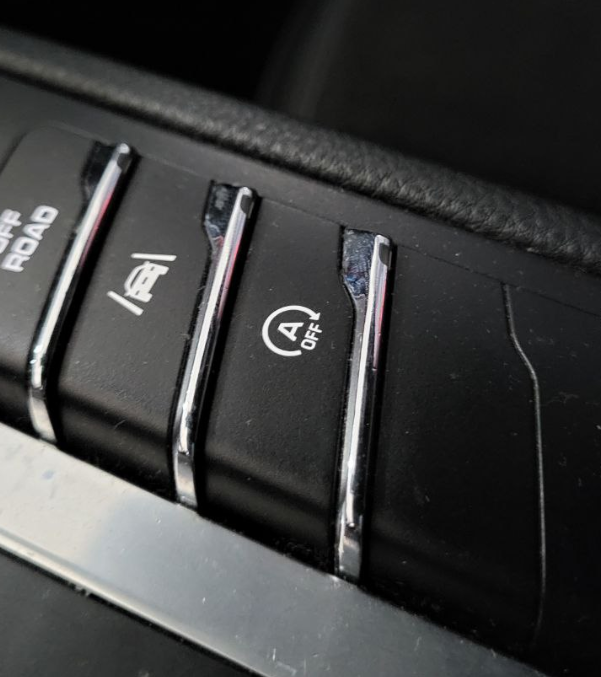
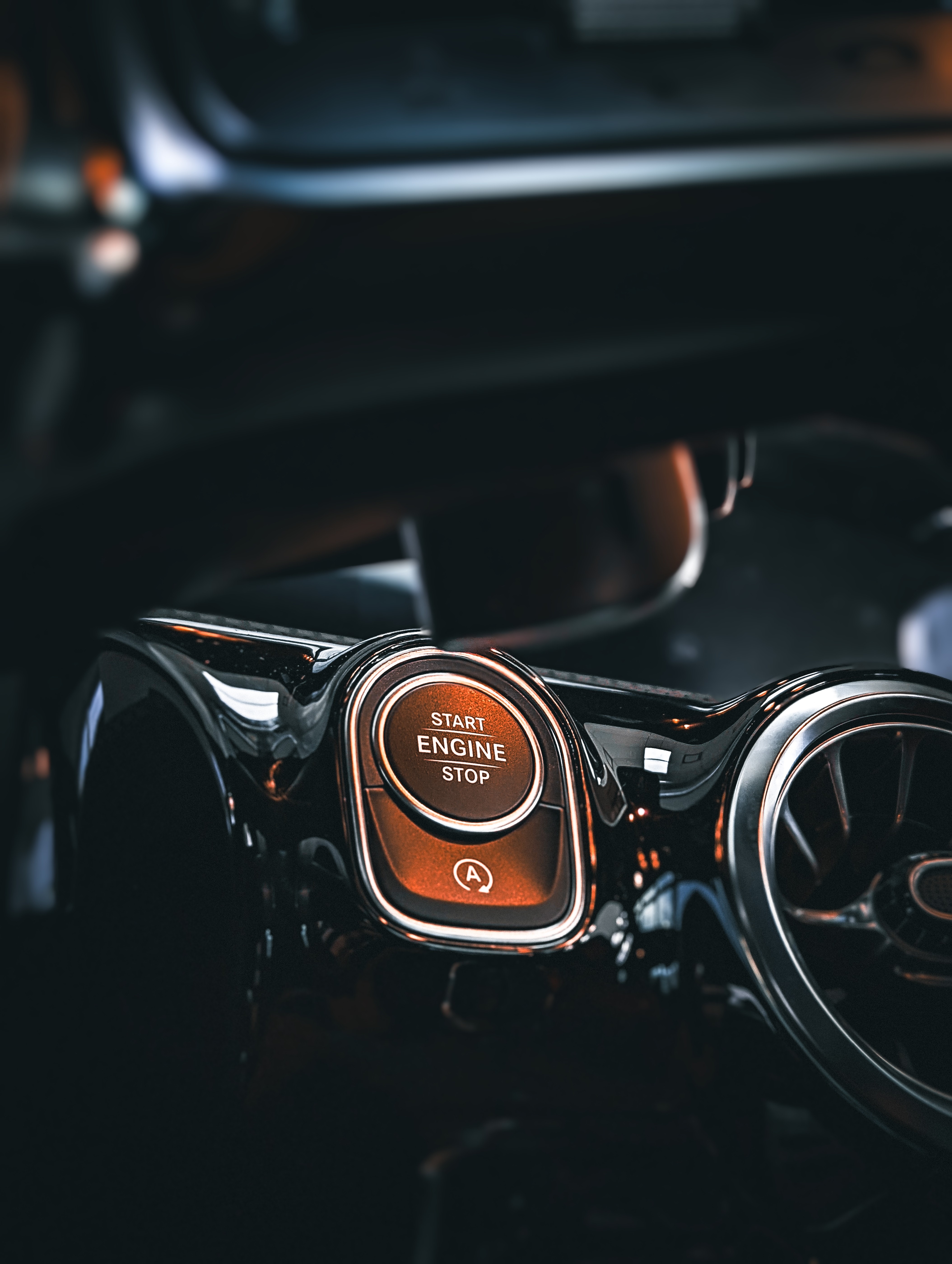
- Look for corresponding icons or buttons: Most cars with a Start/Stop system have corresponding icons or buttons on the dashboard. The icon can be shaped like an engine with an arrow around it, or the text "A" in a circle. The button is usually located next to the steering wheel or on the center console and may be labeled "Start/Stop" or "Auto Stop".
One of the options for the appearance of the button,
Or this implementation of the button.
- Test while driving: If your car is equipped with a Start/Stop system, you may notice that the engine automatically shuts off when stationary, such as at traffic lights or in a queue. When you're ready to continue driving, the system will instantly start the engine. Pay attention to changes in engine performance during such situations.
- If you are still unsure whether your vehicle is equipped with a Start/Stop system, consult a dealer or auto mechanic who has experience with your make and model of vehicle. They will be able to check the specifications of the car and give you an answer.
- Check the VIN: Relevant information about your vehicle may be available by its VIN (Vehicle Identification Number). The VIN code can be found on a special plate, usually located on the panel under the windshield, on the door sill or elsewhere in the car. Contact your vehicle's service department or use online services to obtain information about your vehicle by VIN code, which may include information about the availability of the Start/Stop system. For example, in the list of complete sets, the so-called "Pr. Code'', the code 'WAP' means that the car is equipped with the Start/stop function.
When Start/Stop can automatically turn off
The Start/Stop system can be automatically disabled (start the engine) in some cases and here are some examples of such situations:
- Low battery: If the system detects that the battery is low, it can disable the Start/Stop function to ensure sufficient power for the vehicle.
- High-energy demand: In cases where the car needs more energy, for example, when the air conditioner is on, the Start/Stop system may be temporarily disabled.
- High or low-temperature mode: In cases of extreme cold or hot weather, the system may shut down to ensure optimal operation of the engine and the vehicle's cooling system.
- Engine rotation instability: If the system detects engine rotation instability or speed fluctuations, it can disable the Start/Stop function to ensure safe and stable engine operation.
In general, the Start/Stop system is an effective solution for increasing fuel economy and reducing the negative impact of cars on the environment. By automatically turning off and starting the engine in various operating conditions, the system helps drivers save fuel and reduce emissions of harmful substances.
Smart Braking: Some cars with Start/Stop also have Smart Braking, which interacts with the Start/Stop system to effectively shut down the engine. When the driver presses the brake pedal, the "smart" braking system works together with the Start/Stop system to shut down the engine.
First application of Start/Stop
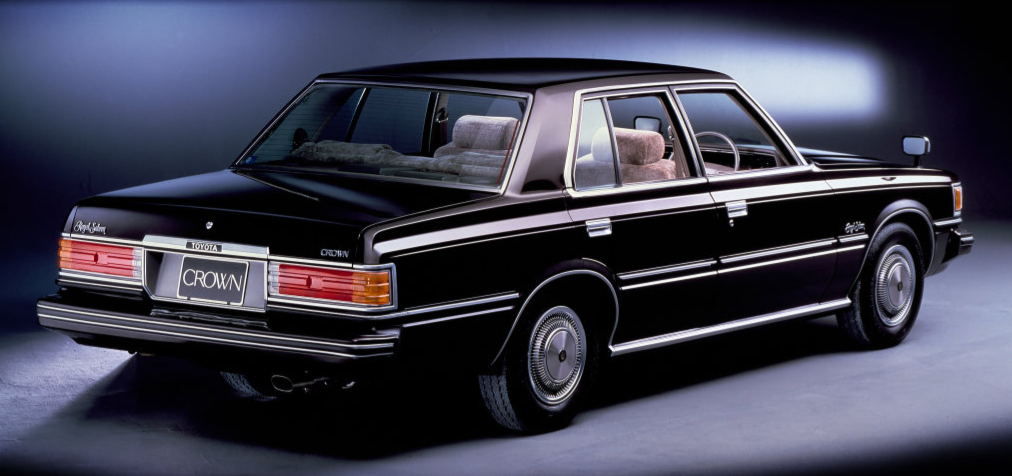
The first simple Start-Stop option was offered by Toyota for its flagship Crown sedan in 1974, and serial production of these systems began in the 1980s.
They became really widespread already in the 21st century. And it's not that automobile engineers suddenly became enlightened, it's just that they were left with no other choice by the environmental regulations, which were becoming stricter every day and prompted the actions of car manufacturers.
Here are some of the main components and functions of the Start/Stop system :
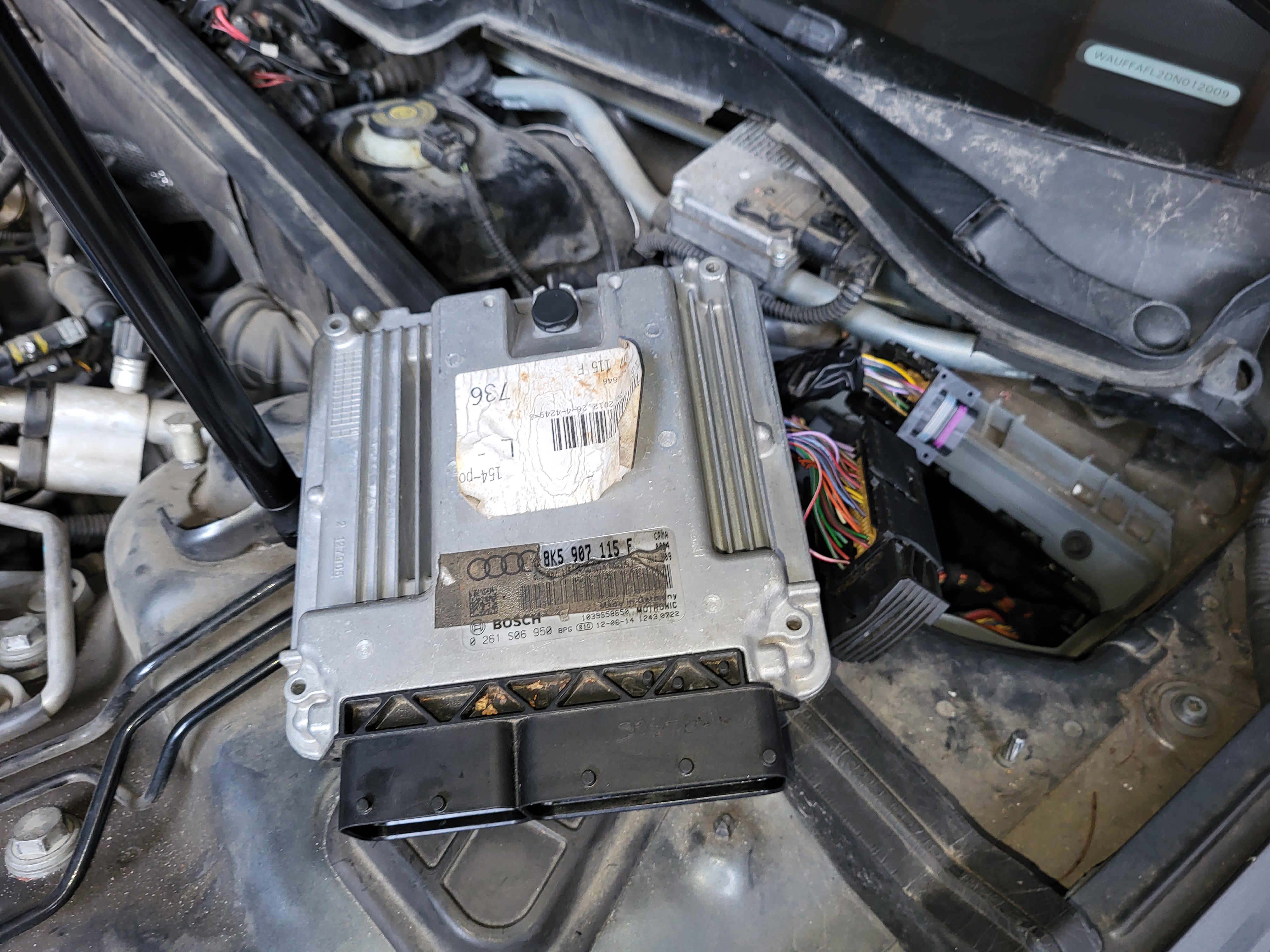
- Electronic Control Unit (ECU): The ECU is the "brain" of the Start/Stop system, providing control of various components and processing data from the vehicle's sensors. The ECU is responsible for determining the optimal moment to turn off the engine and start, taking into account various conditions such as vehicle speed, battery condition, interior temperature and other parameters. This is usually an engine control unit.
- Common engine management components and sensors to monitor various vehicle parameters and transmit information to the ECU. Among them are car speed sensors, in modern cars this information is given by the ESP unit, the former ABS. Engine temperatures, throttle position, gas pedal position, interior temperature, information from the climate control unit, a number of fuel management system sensors, the intake and exhaust system, the cooling system, and others must all work together with the Start/Stop system to optimize engine performance. and provide a smooth transition between off and on states.
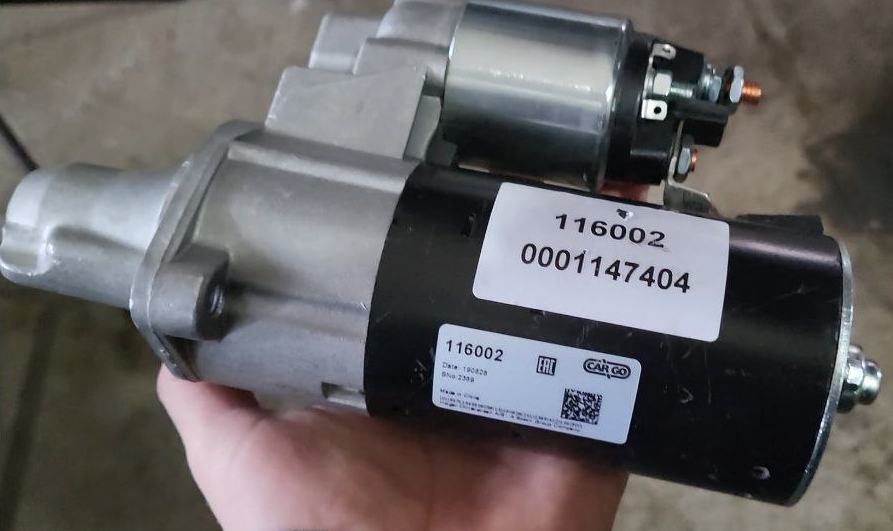
- Starter: The starter is an electromechanical device that is responsible for instantly starting the engine when the Start/Stop system is activated. It must be of high quality and provide fast and reliable engine start, as it will be used more often than in cars without a Start/Stop system. That is why a special high-speed starter is used, which can instantly start the engine. This ensures an instant and smooth start of the engine when necessary.
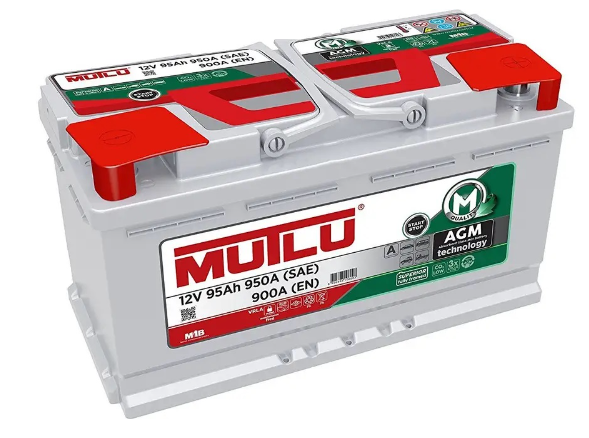
- Battery: The battery plays an important role in the Start/Stop system, as it must provide enough energy to quickly start the engine and power the vehicle's electrical systems when idle. Start/Stop car batteries usually have a higher capacity and can withstand more charge/discharge cycles than traditional batteries. Usually, such batteries are marked with the abbreviation AGM, from the English name "Absorbent Glass Mat" (Ukrainian: "Absorbing glass fiber mat"). AGM batteries are a type of dry-charge lead-acid battery in which the electrolyte is in the form of a gel between thin layers of fiberglass. This improves conductivity, provides a more stable voltage level during discharge, and reduces the possibility of electrolyte leakage. AGM batteries are widely used in cars with Start/Stop systems because they can withstand more charge/discharge cycles and provide quick engine starts.
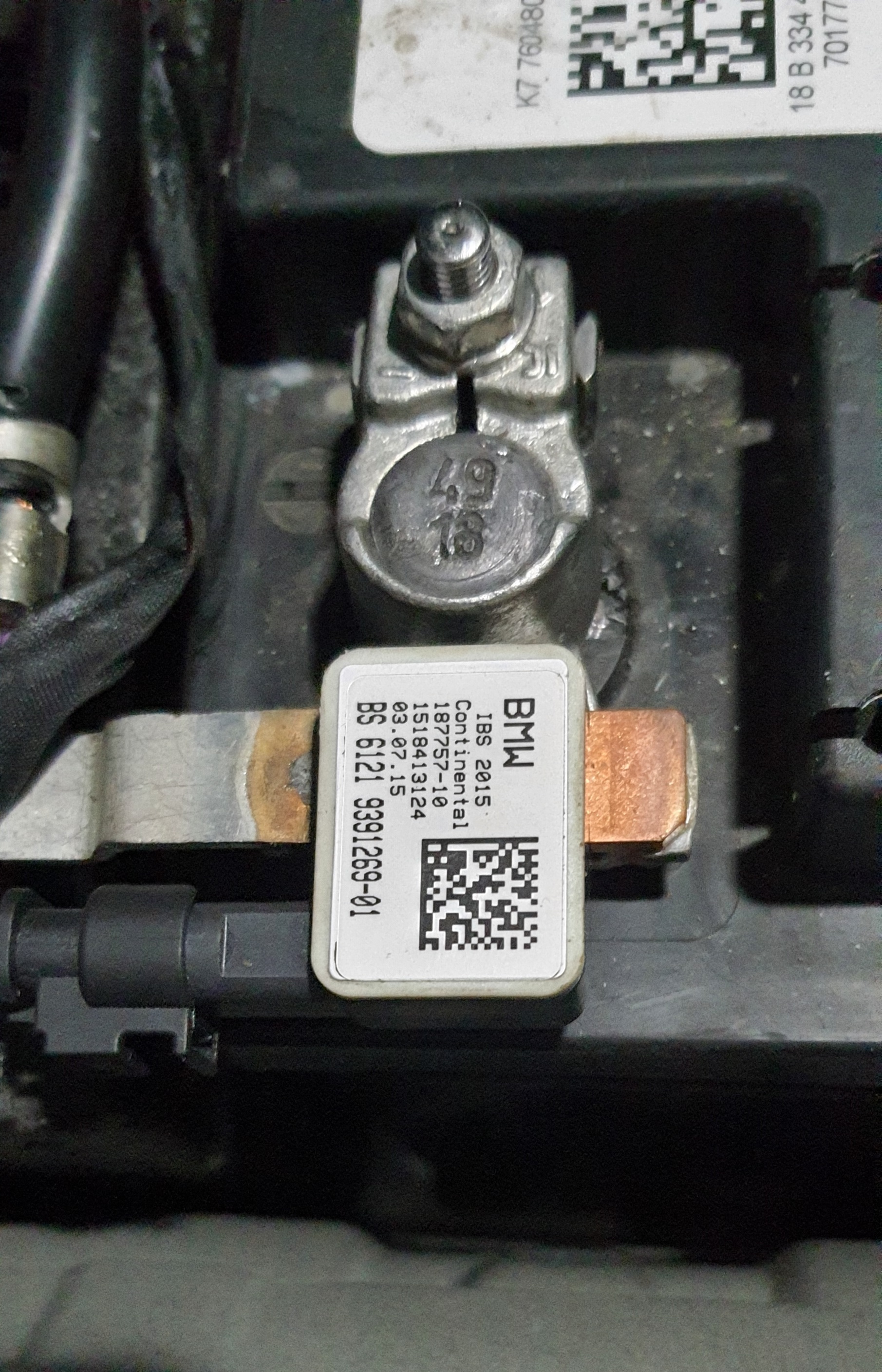
- Battery sensor: The Start/Stop system monitors the battery's state of charge to ensure there is enough energy to start the engine and power all the vehicle's electrical systems when the engine is turned off.
- Ignition system (for cars with a manual transmission): In cars with a manual transmission, the ignition system cooperates with the Start/Stop system. A pedal or other clutch sensor can detect when the clutch pedal is depressed and allow the ECU to start the engine before releasing the clutch pedal to drive.
Inconvenience when using
However, it is worth considering that the Start/Stop system can create certain inconveniences for drivers, especially those who drive in difficult road conditions or traffic jams. The sensation of constantly turning the engine off and on may seem unusual or uncomfortable for some drivers. In addition, the Start/Stop system can put additional stress on the battery, starter motor and other vehicle components, which can lead to increased wear and tear and the need for additional maintenance. However, if the driver uses the Start/Stop system according to the manufacturer's recommendations, the advantages of this technology, such as fuel economy and reduced environmental impact, usually outweigh the possible disadvantages.
To make the most of the benefits of the Start/Stop system and ensure its reliable operation, drivers should follow some recommendations:
- Regular maintenance: Provide timely vehicle maintenance in accordance with the manufacturer's recommendations. This will help ensure the reliability of the Start/Stop system and other important car components.
- Battery Check: Check the battery condition regularly as the Start/Stop system requires a strong battery to operate effectively. Use high-capacity, long-life batteries that are recommended for vehicles with a Start/Stop system.
- Optimize energy consumption: Avoid unnecessary energy consumption by turning off electrical devices and accessories when they are not needed. This will help conserve battery power and maintain the efficiency of the Start/Stop system.
- Deactivating the Start/Stop system when necessary: If you feel uncomfortable or have interruptions in the operation of the Start/Stop system, you can deactivate it using the corresponding button, which is usually located on the center console of the car. However, it is worth remembering that turning off the system can reduce fuel economy and increase emissions of harmful substances.
Disadvantages of the system
When using Start-Stop, the number of internal combustion engine start-up cycles increases many times, which places increased demands on the power of the battery, generator and starter. A separate problem is ensuring the operation of the climate system compressor and the cooling pump when the engine is turned off. Adding such devices to the design of auxiliary electric drives put even more strain on the battery and led to a noticeable increase in the price of the entire car. If we mention the maintenance of cars with this system, it is worth noting that in certain cars, for maintenance, for example, the starter, it is necessary to dismantle the engine.
An example of engine disassembly in a Mercedes ML
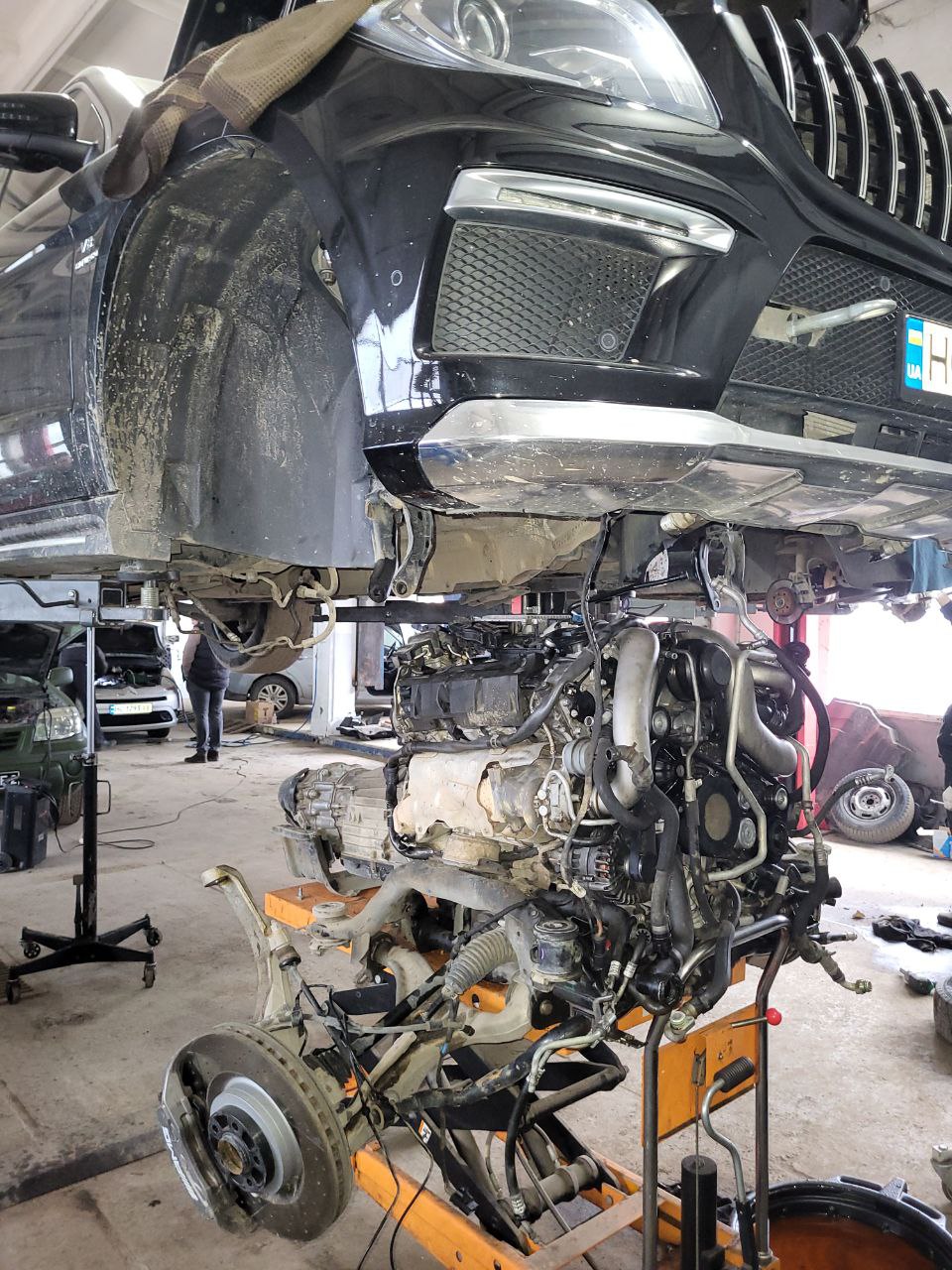
The use of Start-Stop has become a real headache for motor engineers. Starting an internal combustion engine, especially when it is not warmed up or in the heat, is a real stress for all moving elements in contact with each other. In order to reduce friction, it was necessary to apply a polymer coating on the main and connecting rod tabs of the crankshaft. The cost of a turbocharged internal combustion engine was additionally increased by devices that prevent coking of oil in the supply lines and turbocharger bearings during sudden engine shutdowns. In the end, the functioning of the Start-Stop system had to be equipped with a number of restrictions, the main of which are the battery charge level, the temperature of the air outside the board and the internal combustion engine.
Start/Stop efficiency
And what about the effectiveness of the Start-Stop system? Optimistic fuel savings of 2-10%, declared in advertising materials, were obtained only during bench tests on the NEDC cycle, which in 2017 was replaced by the more realistic WLTP. One way or another, when driving through the city with frequent stops at traffic lights and traffic jams, using Start-Stop you can really save 0.5–0.8 liters of fuel per 100 km. With an average annual mileage of 15,000 km per year, the "bonus" will be quite significant - 75-120 liters.
In general, the Start/Stop system is an effective solution for saving fuel and reducing emissions of harmful substances, as well as saving engine resources. At the same time, it also ensures the comfort and safety of passengers, who can remain in the car when the engine is turned off.