Original Equipment Manufacturer (OEM): General overview of standards

AvtoAd
13/06/2023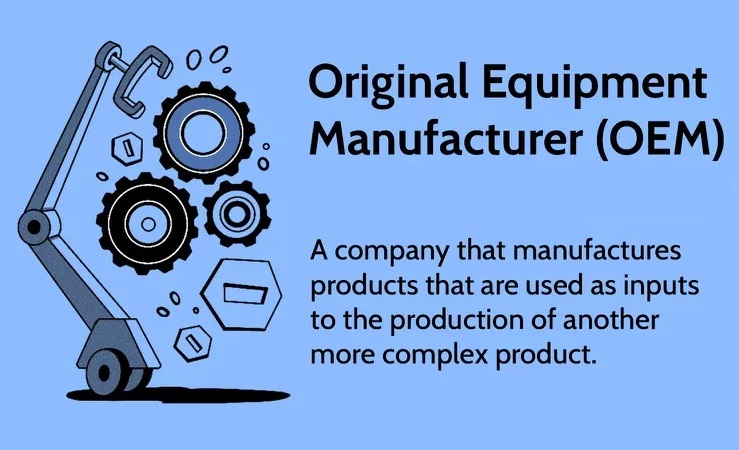
History and use of OEM standards
The main OEM manufacturing companies
The term "Original Equipment Manufacturer" (OEM) is used in various industries, but in the automotive sector it often refers to auto parts manufacturers who supply original components for the production of cars.
History and use of OEM standards
The OEM concept was started by industrial companies that produce products for other companies to sell under the buyer's brand. In the context of the automotive industry, OEM companies produce parts and components that are used in the assembly process of the cars of major automakers.
OEM standards have been developed to ensure high quality, reliability and versatility of parts. With these standards, automakers can be sure that the components they get from OEMs will last for a long time and won't tarnish their brand reputation.
The essence of OEM standards
The basic principle of OEM standards is that parts must be manufactured to the exact specifications of the car manufacturer. This means that each part must meet the requirements in terms of size, material quality, production method, and other technical parameters.
OEM standards ensure that parts meet the highest quality standards and will perform as expected.
In addition, they also guarantee that if a replacement part is needed in the car, they will be an exact match to the original.
In general, OEM standards help ensure the reliability and durability of vehicles, and contribute to the safety and comfort of drivers and passengers.
OEM tolerances
Obtaining OEM approval is a complex process that requires a company to demonstrate the high quality of its products and manufacturing processes. General requirements consist of such points as:
-
Product development: The company develops a product that meets OEM requirements and standards. This may include compliance with size requirements, use of certain materials, testing requirements, etc.
-
Testing and Evaluation: The product is tested to ensure that it meets all required quality standards. This may include strength testing, safety testing, endurance testing, etc.
-
Validation and Certification: If a product passes all tests, it receives OEM certification. This confirms that the product meets all requirements and standards and can be used in original equipment.
-
Manufacturing and Supply: After receiving approval, the company can begin mass production and supply of products to OEMs.
The main OEM manufacturing companies
-
Bosch: A German manufacturer of automotive components and technology that is one of the largest OEM suppliers in the world. Bosch makes everything from spark plugs to fuel injection systems and has OEM approvals from a large number of automotive brands, including Mercedes-Benz, BMW, Audi and others.
-
Intel: A major microprocessor manufacturer that has OEM approvals from many computer hardware manufacturers, including Dell, HP, and Lenovo.
-
Yokohama: A Japanese tire manufacturer that has OEM approvals from such automotive brands as Audi, Mercedes-Benz, Nissan, and Toyota.
-
Samsung SDI: A division of Samsung specializing in the production of batteries, including for electric vehicles. Samsung SDI is an OEM supplier for companies such as BMW and Audi.
These companies go through various verification processes and meet the high standards of original equipment manufacturers to receive these approvals.